
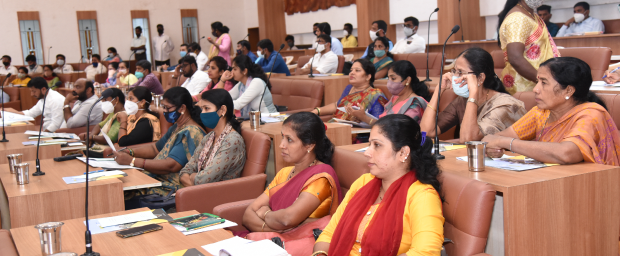
We undertake landscape study of municipal staffing systems across India in respect of availability of adequate number of staff, skills and competencies, organisation design and performance management (including existence of underlying frameworks, standards) based on a study of cadre and recruitment rules, service rules, state recruitment boards/state public service commissions and equivalent institutions, rules and processes Based on the above, ascertain the extent of gaps and attendant reform roadmap. Draw up playbooks, blueprints for revenue and finance functions and advocate for adoptions by states, urban local bodies. Undertake a feasibility study on municipal shared service centres and if found feasible, advocate for adoption by states
Approach
Our objective is to help increase awareness and adoption rates of reform measures that will form part of the national advocacy, we will actively leverage existing relationships with governments, regulators, expert organisations and academicians. The focus of our attempts will be going deep in the State governments where we have existing relationships, particularly where we have MoUs on municipal finance reforms. Our formal relationships with the MoHUA and CAG will also be leveraged for this purpose.
More resources seem to be associated with better outcomes. Therefore, in India’s urban context, resource mobilization by ULBs remains a critical challenges.
Our Intervention
At the national level, the program aspires to undertake targeted policy advocacy in the areas of fiscal decentralization, revenue optimization, infrastructure and municipal staffing. The focus is on supporting government institutions such as the Ministry of Housing and Urban Affairs, Ministry of Finance, Central Finance Commission, State Finance Commissions, Comptroller and Auditor General of India, regulators, and State Governments. This track is facilitated by
- Policy analyses
- Data analyses (both for diagnosis)
- Digital platforms, playbooks and toolkits
- Targeted pilots with limited implementation support
- Policy advocacy (for solutions and implementation)
The program also engages with and provides support to state governments (Urban Development departments) through a ‘Super PMU Model’, on undertaking a comprehensive diagnosis of municipal finance systems, conceiving reform roadmap and recommendations, identifying pilots for implementation, and providing handholding (implementation) support to the state/ULBs, which could include any of the following:
- Comprehensive fiscal sustainability analysis of ULBs, based on ULB annual accounts & budget statements, and conceive a roadmap of recommendations to improve their financial position and performance
- Revenue optimization
- Fiscal decentralization
- Strengthening municipal staffing systems by undertaking a landscape study in respect of the availability of an adequate number of staff, skills and competencies, organisation design and performance management; undertaking a feasibility study on municipal shared service centres and if found feasible, advocating for adoption by states
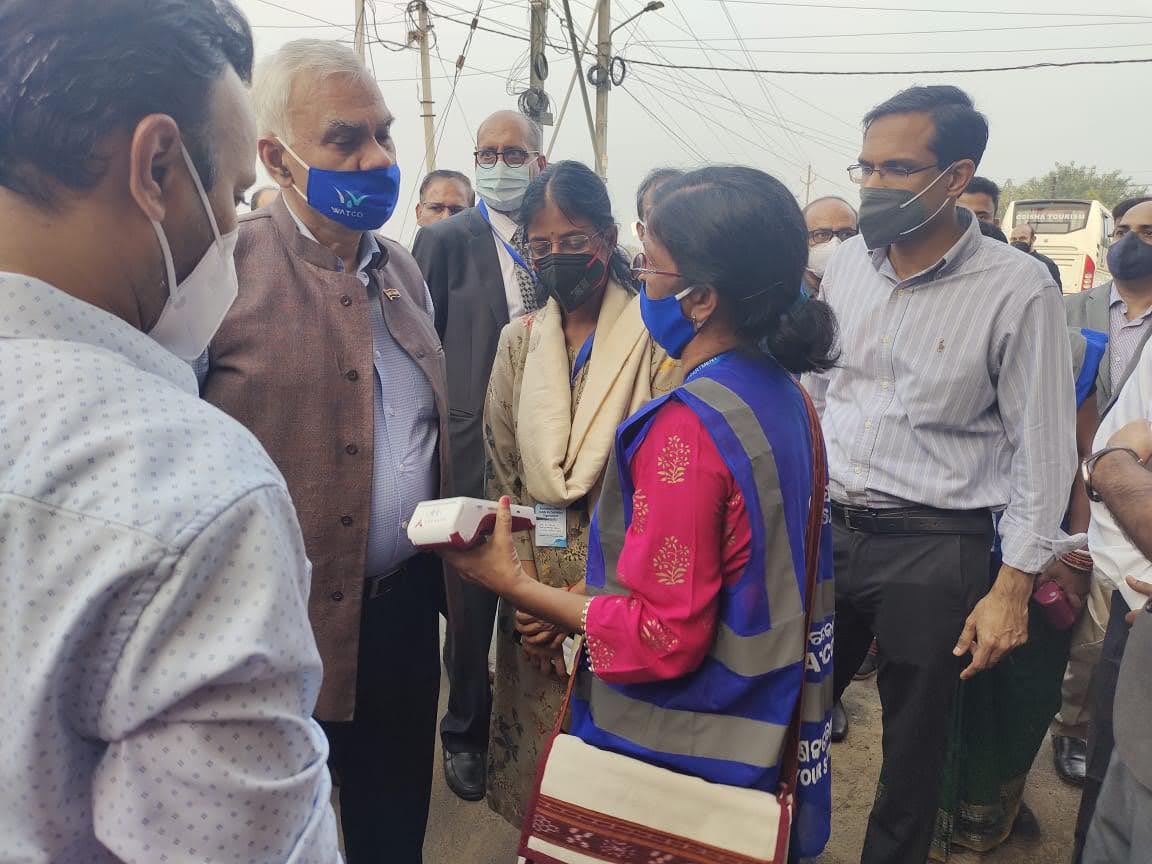
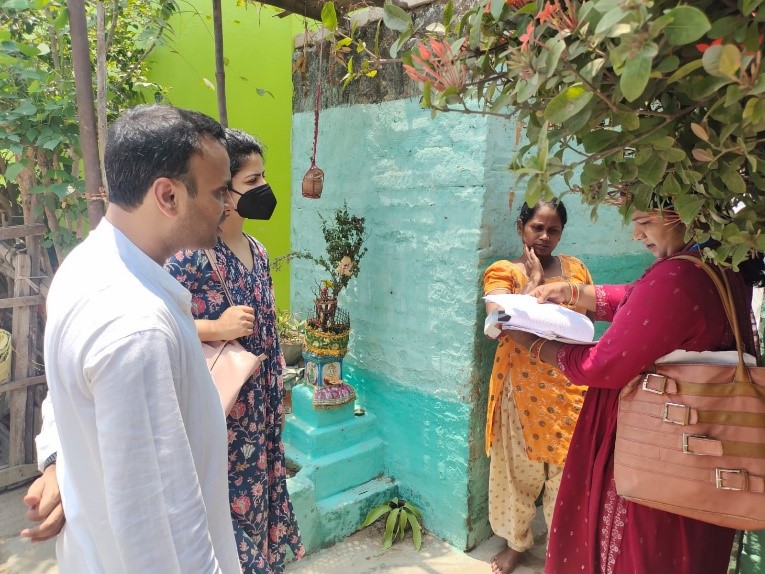
Currently, we have initiated the Unified Revenue Collection system on-ground at Puri Municipality. The focus is on clubbing the collection efforts for property tax and water charges in the pilot phase. Puri is well placed to undertake the pilot as the Tax Collectors and Jal Sathis are already acquainted with using MPOS devices for the collection of property taxes and water charges respectively. Further, each Tax Collector was covering 1500 HHs earlier now, with this initiative the coverage will reduce to 600 HHs. 100% coverage ratio will help enhance revenue collection; previously impacted due to stretched HR. 100% digitization of revenue collection (MPOS devices). Combined revenue pool of INR. 8 crores
Gallery
Subscribe To Our Newsletter
Sign up for our newsletter to stay up to date with the latest in active citizenship and urban governance reforms in India’s cities and towns.