
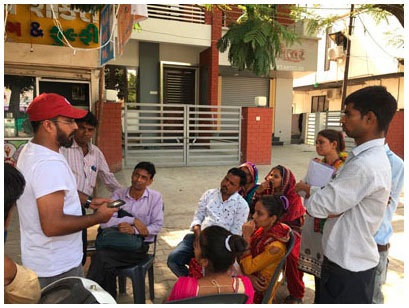
The first leg of the Jana-Brown citizenship Index project was completed in Bangalore with a survey of over 4,000 households in 2013. The sample was generated using multi-stage stratified systematic random sampling to ensure proportionate geographical representation of the central and outer (or peri-urban) regions of Bangalore, as well as socio-political/economic representation of our selected minority/marginalised populations: the SC/STs and Muslims. Our achieved sample size was 4,093 individuals, allowing us robust representation and statistical significance at the city, ward, and neighbourhood level.
Sample composition
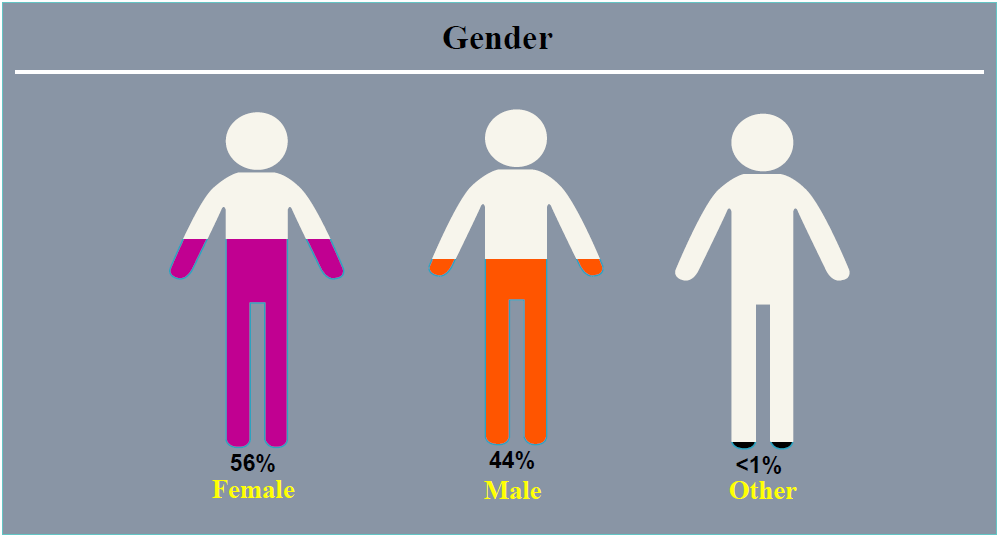
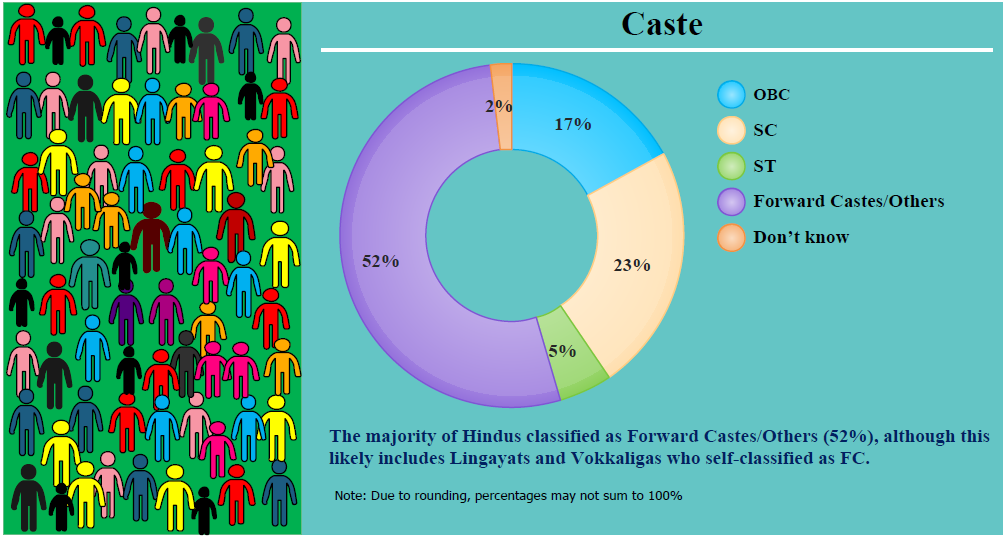
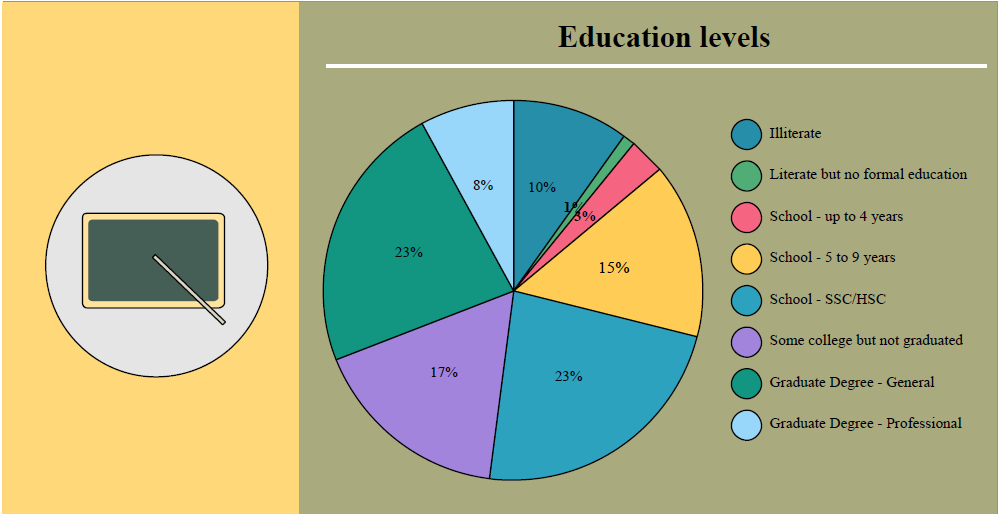
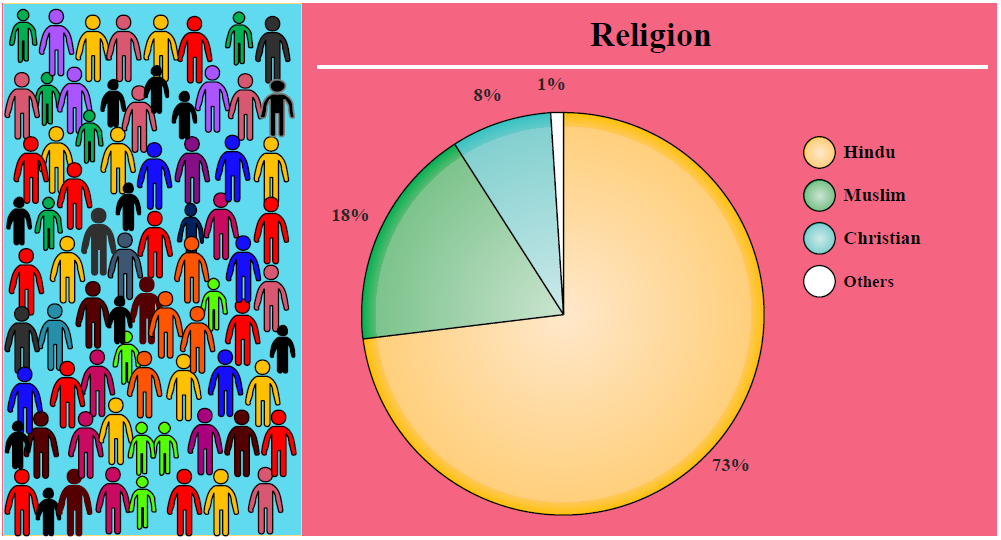
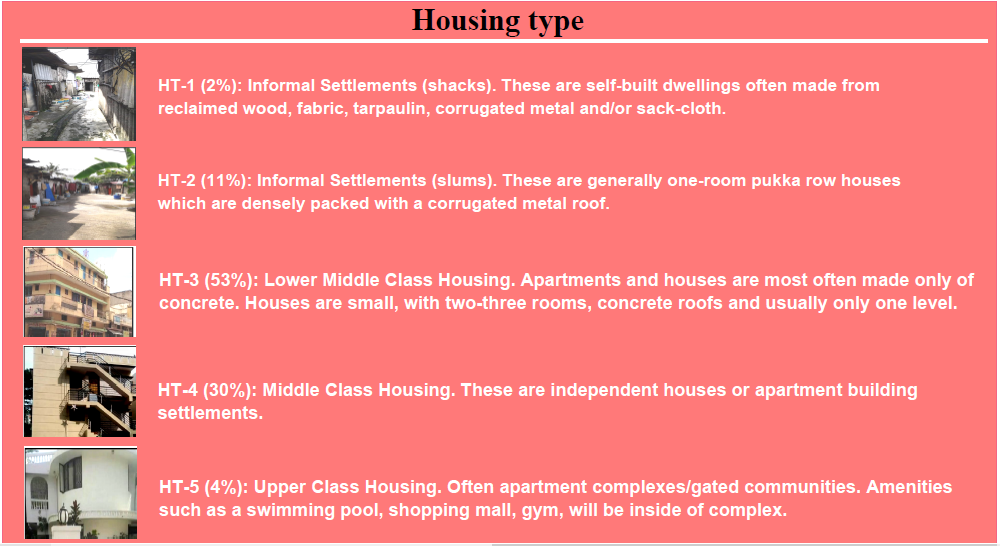
The most unique feature of the sampling design of the JBCI project is Household listing. By listing all the households in a polling part and assigning a housing tag to those helped us in two ways: It gave us a robust sampling frame to sample our households. It also gave us a unique measure of class by tagging the households as one of the five categories (HT1-HT5) (The details are given in the infographic below).
Findings
- Citizenship in Urban India: Evidence from Bangalore
- Citizenship in Bangalore: A Practitioner’s Review
- Does citizenship abate class? Read our article in EPW here.
- Does Citizenship Abate Class? Evidence and Reflections from Bangalore, India
Contact
For more information or to discuss any aspects of the project, please contact: Tarun Arora, Project Manager, Research and Insights at Janaagraha: tarun.arora@janaagraha.org
Contact
For more information or to discuss any aspects of the project, please contact: Tarun Arora, Project Manager, Research and Insights at Janaagraha:

Subscribe To Our Newsletter
Sign up for our newsletter to stay up to date with the latest in active citizenship and urban governance reforms in India’s cities and towns.