
Overview
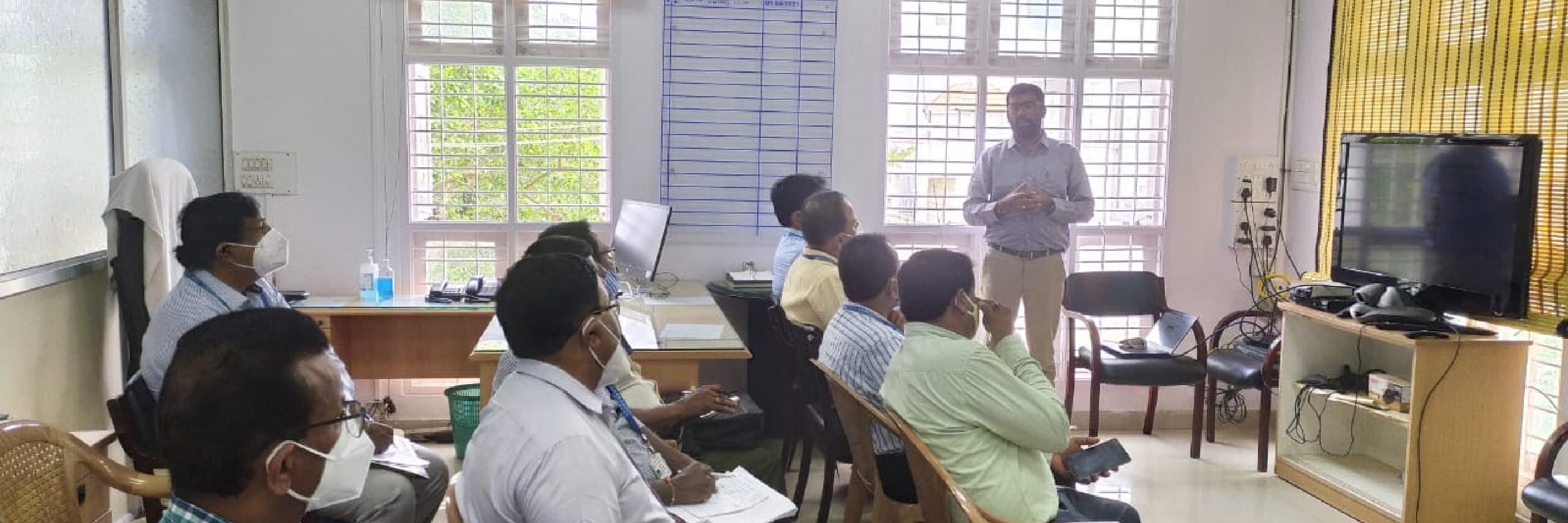
This program is designed to be an instrument to quantify existing infrastructure facilities and concurrently find gaps in the availability and access to physical and social infrastructure across urban wards.
It analyses the quality of infrastructure available for the citizens in every ward and rates them on a scale of 0–100 (0 being the worst and 100 being the best).
Objectives
Our survey is conducted for the Housing and Urban Development Department, Government of Odisha to quantify existing infrastructure, identify gaps and promote transparency and accountability.
Outcomes
The program is conducted in all 114 Urban Local Bodies (ULBs) across all 2035 wards of Odisha to evaluate ward quality based on 19 indicators. A Standard Operating Procedure (SOP) has also been prepared for this and is extended to all urban governance institutions.
Program Outlook
Quantify services
It guides the ULBs and ward officers to capture infrastructure available in the concerned ward and measure the quality of the ward.
Identify gaps
It helps in identifying the spaces present inside the ward where infrastructure development work needs to be taken up.
Streamline governance
It provides valuable information to urban planners and decision makers to streamline service and infrastructure delivery to different wards.
Promote transparency
It facilitates direct accountability of local administrators and elected representatives to urban citizens.
Approach
This program captures infrastructure available in the concerned ward and measures the quality of the ward. This information is accessible to all the ward officers.
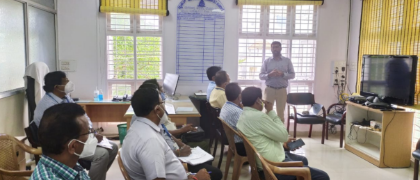
The Ward Officers, alongside Ward Committee representatives, are tasked with conducting the survey.
Alternatively, ASHA workers, ‘Swachh Saathis’, ‘Jal Saathis’, and Slum Dwellers’ Association (SDA) members can aid the process of data collection.
The first stage of the exercise will culminate in a Ward Infrastructure Index (WII) report for all wards under the purview of each ULB.
An action plan is prepared based on the WII scores in the report. It informs the ULB’s Budget outlay for the next financial year.
Subscribe To Our Newsletter
Sign up for our newsletter to stay up to date with the latest in active citizenship and urban governance reforms in India’s cities and towns.