
MyCityMyBudget – CITIZEN VOICES GET LOUDER!
 Juwairia Mehkri
 July 10, 2021
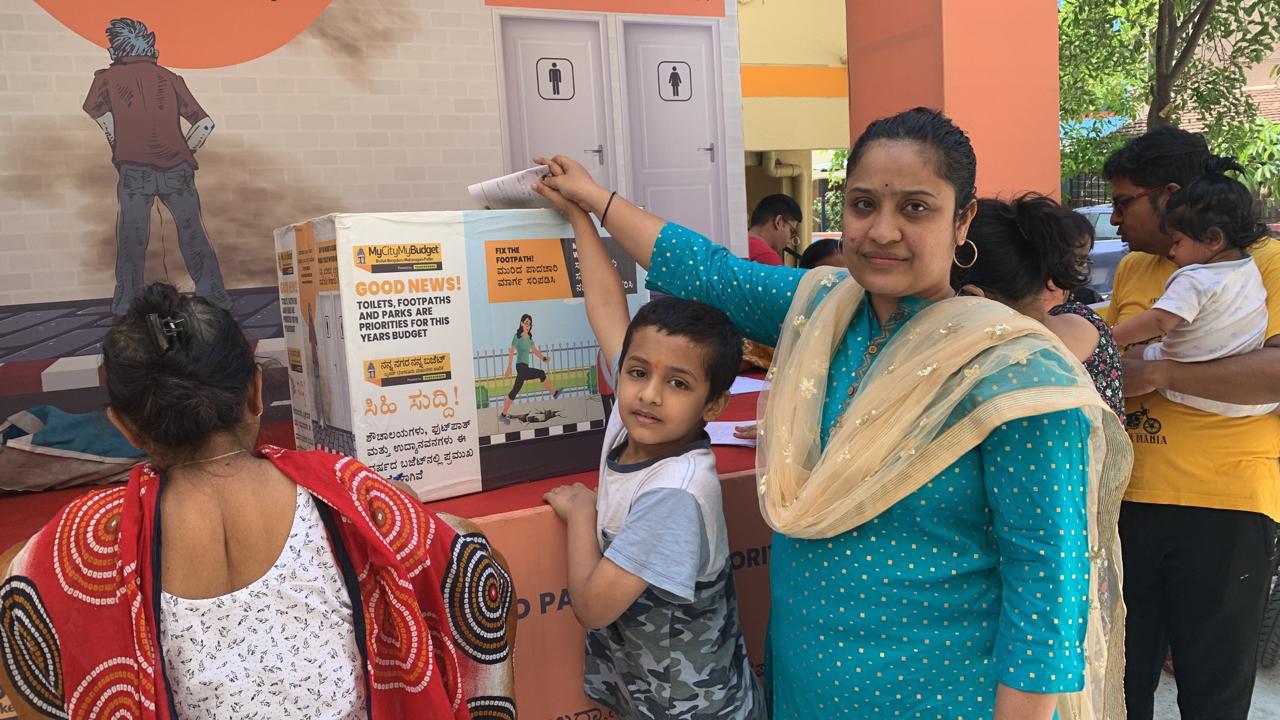
Janaagraha’s vision for the inclusion of citizen voices in the municipal budget-making process has become a reality beyond Bengaluru, with Mangaluru and Visakhapatnam joining the list of cities to introduce MyCityMyBudget. The campaign entailed on-ground mobilisation of citizen community groups, Resident Welfare Associations, Non-Governmental Organisations working across socio-economic lines towards collating budget inputs from citizens
MyCityMyBudget was first launched as a pilot in a few wards of Bengaluru in 2015-16. It evolved into a city-wide annual participatory budgeting drive under the BBMP Mayors and Commissioners’ able leadership. Over the years, 93411 budget inputs have been submitted in the campaigns run in Bengaluru with nearly 12500 works, to the tune of 600 Crores has been included in the city budget.
The idea gained traction in Mangaluru with the Commissioner of Mangaluu City Corporation (MCC) launching an action-packed campaign to collect 1060 citizen inputs from all 60 wards in Mangaluru, in time to consider them for the budget that was drawn up in the last week of January 2021. More recently, the Greater Visakhapatnam Municipal Corporation (GVMC) launched their very own chapter in February 2021, resulting in collection of a staggering 75000 citizen inputs from all 98 wards.
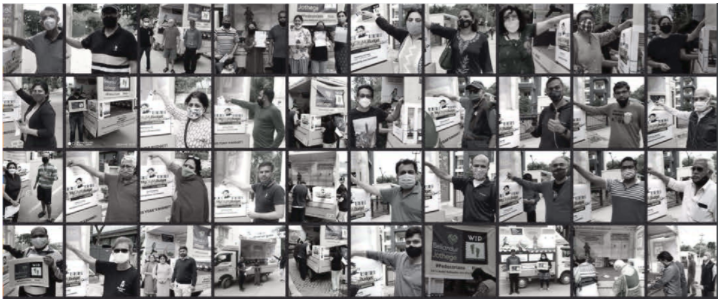
The Bengaluru campaign, which ran for 32 days between December 2020 to January 2021, was centred around two issues of prime focus-ending public urination and fixing broken footpaths. The bigger spotlight was on collecting citizens’ inputs to identity yellow spots, unusable and poorly maintained public toilets through #YellowSpotsBeda. The call aimed to identify areas that need new public toilets and repair and keep existing ones. However, the campaign in Mangaluru and Visakhapatnam invited inputs on a wider gamut of issues pertaining to roads, solid waste management, underground drainage, streetlights, drinking water supply, and public toilets.
The real essence of participation reflected in the role that civil society partners played in ensuring the campaigns’ success in all three cities. The ownership displayed in input collection and upholding inclusion of citizen voices from varied socio-economic backgrounds served as the backbone to all three campaigns. Collection and submission of inputs is only the first step towards building a responsive civic ecosystem. Ward Committees are beginning to gain a strong foothold, thanks to the much-needed boost in their representation at the local governance level. The demand for accountability and transparency in public spending matters must continue in the space that such committee meetings offer.
Participatory Budgeting is a democratic tool that allows citizens to decide how public money is spent. It is based on the principle that citizens best understand which civic issues affect them most, and their decision helps prioritise the allocation of public money. The instrument of participation has come a long way in letting citizen oversight guide the local government.
The idea first took root in Porto Alegre in 1989 and over three decades spread across the world. As of 2013, 1700 local governments in more than 40 countries have adopted the exercise as part of their municipal practices.
Post A New Comment
Subscribe To Our Newsletter
Sign up for our newsletter to stay up to date with the latest in active citizenship and urban governance reforms in India’s cities and towns.
Participatory Budgeting is a democratic tool that allows citizens to decide how public money is spent. It is based on the principle that citizens best understand which civic issues affect them most, and their decision helps prioritise the allocation of public money. The instrument of participation has come a long way in letting citizen oversight guide the local government.