
DECENTRALISE, LOCALISE COVID-19 BATTLE IN BENGALURU
 Srinivas Alavilli
 May 6, 2021
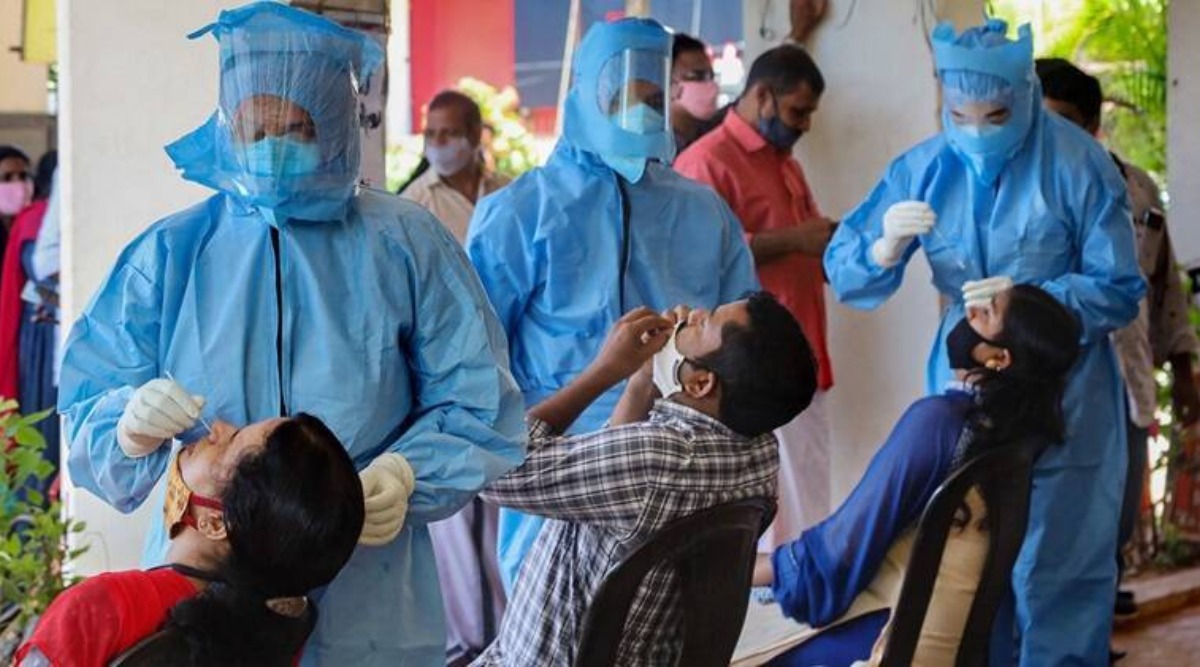
Out of all the available options, “Health administration and COVID management have to be quickly decentralised” was the first point by former Prime Minister H D Deve Gowda to PM Narendra Modi.
Here is the current scenario in Bengaluru. When a person gets tested for COVID-19, the samples (swabs) are collected at the local Primary Health Centre (PHC) and then sent to a laboratory. The lab performs the test and uploads the results on the portal maintained by Indian Council of Medical Research (ICMR).
The results then travel back to Bengaluru. Those determined to be positive will receive a unique number called BU (Bengaluru Urban) number, required for any hospital admission. At this moment, this takes 48-96 hours. These are the precious hours that make a huge difference.
Localised approach
Now consider this approach: the test is being performed locally at a laboratory. The result can be delivered locally too. Suppose the lab informs the local health workers about a positive case even while they follow the process to upload results in the portal, the health worker now has an opportunity to reach out to the patient within a short time and do the necessary triage. Triage will help determine if the patient needs to be hospitalised or isolated. Triage can help educate the patient about prone positions if oxygen levels drop while waiting for an ambulance. Triage can also help determine if the person needs a bed with oxygen or an ICU bed. The health worker can also ensure all the primary contacts get tested immediately.
Besides increasing the chances of survival, this approach reassures the patient and ensures others get tested sooner than later. Early triage also helps us better utilise our highly scarce resources and streamline the requests for beds, ICUs, oxygen at home, medicine, etc. Bengaluru has recently established triage centres and has over 50 triage centres as of 27th May 2021.
Making this happen
It is abundantly clear that we need a hyper-local approach. Ward Committees are units of governance at the hyper-local level of administration. The ward committee offers an institutionalised mechanism to bring all these resources together and execute a hyper-local action plan to fight this deadly virus. Therefore, we need to make ward committees functional urgently and empower them to act as ward disaster management cells.
We are trying to stop the wave with one big net, but we need 198 smaller yields. In addition, since the geographic area is limited, they have a much better chance of containing the spread, identifying critical cases earlier and even ensuring vaccination reaches everyone, even those without access. There are already many individuals working on relief activities. The ward committees will attract all those working in the field, help consolidate their efforts, recruit more local volunteers, and build a solid local network.
After the success of triage centres, hopefully, Bengaluru furthers its approach for decentralisation and gets these ward level triage centres functional as soon as possible.
Post A New Comment
Subscribe To Our Newsletter
Sign up for our newsletter to stay up to date with the latest in active citizenship and urban governance reforms in India’s cities and towns.
After the success of triage centres, hopefully, Bengaluru furthers its approach for decentralisation and gets these ward level triage centres functional as soon as possible.